


Taro Porridge: A Taiwanese Comfort (古早味芋頭鹹粥)
- Wen 日日

- Feb 13, 2024
- 3 min read
Embrace the warmth and tradition of Taiwanese cuisine with this Taro Porridge, a comforting bowl that combines seasonal produce with the depth of dried goods for a truly satisfying meal.
Time: 50 min (35 cook time) | Difficulty: easy
There's something undeniably comforting about a bowl of porridge on a cold day, and when it comes to infusing a traditional Taiwanese flavor into this warm dish, ingredients like celery, fried scallions, and, of course, taro, play a pivotal role. My journey to perfecting this Taiwanese Taro Porridge was marked by a humorous trial and error with purchasing taro in the United States. But finally, I made the right pick—a sizable piece that promised versatility, whether fried, stewed, or, in this case, turned into a heartwarming porridge.
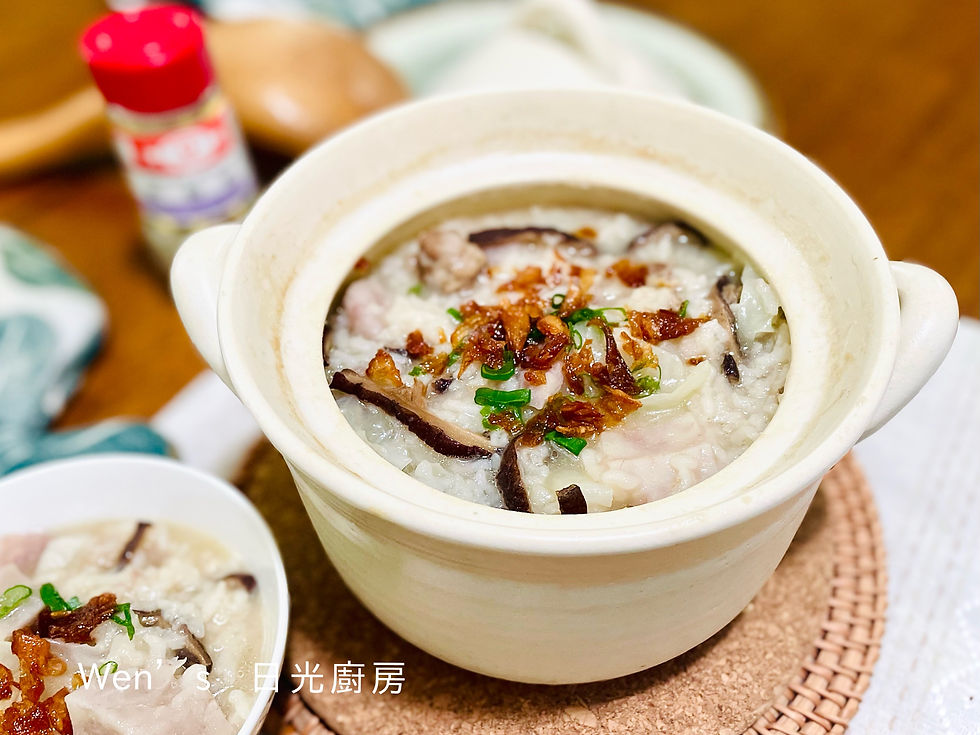
Feature of Taiwanese porridge
Taiwanese porridge is made from rice that is cooked until it becomes soft and somewhat soupy, creating a comforting and easily digestible base that's perfect for breakfast, lunch, or dinner. What truly sets Taiwanese porridge apart is the array of side dishes that accompany it. From pickled vegetables and braised dishes to stir-fried greens and seasoned meats, the porridge is often served with a diverse selection of sides, allowing diners to customize each bite.
Ingredients
For a taste of Taiwanese comfort, gather the following:
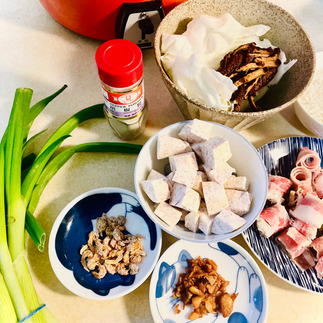
1/4 piece of taro
2-3 leaves of cabbage
2 shiitake mushrooms, 1 tablespoon dried shrimps
100g pork slices
1/4 cup rice (Rice: water = 1:6, adjust water as preferred)
Pepper and salt to taste (1/8 tsp), chopped green onion, celery (optional), and fried shallots* for garnishing.
* Taiwanese fried red onion, often referred to as fried shallots or red onion crisps in some contexts, is a popular ingredient and garnish in Taiwanese cuisine. It consists of thinly sliced red onions that are deep-fried until they are crispy and golden brown. These fried onions are known for their sweet, savory flavor and crispy texture, making them an excellent topping for a variety of dishes, including noodles, soups, porridges, and vegetable stir-fries. The process of making Taiwanese fried red onion involves slicing the onions very thinly for even frying and cooking them at the right temperature to achieve the perfect balance of crispiness without burning them. The oil used for frying also picks up a delightful onion flavor, making it a sought-after ingredient for cooking and enhancing other dishes.


Instructions
Steps to Deliciousness:
Prep: Soak dried shrimps in 1tsp rice wine, and shiitake mushrooms in warm water until soft. Squid out water, then cut into shreds. Marinate pork slices with pepper and a touch of soy sauce.
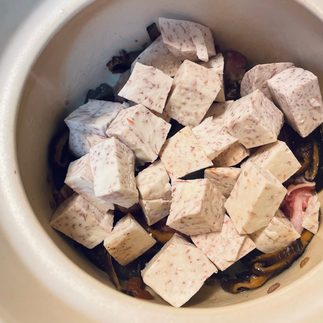
Taro: Peel and cube the taro. Lightly fry the cubes in a pan until they start to color, then set aside.
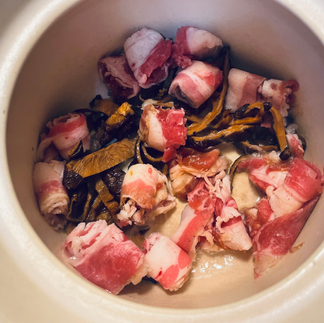
Sauté: In a hot pan, stir-fry the mushrooms, dried shrimps, and pork slices. Add the taro, uncooked rice, and water.
Simmer: With a rice-to-water ratio of 1:6, after boiled (medium heat), cover and let it simmer for 20 minutes (low heat). Add cabbage and continue cooking for another 10 minutes, and close the heater, let it stem for 5 min.
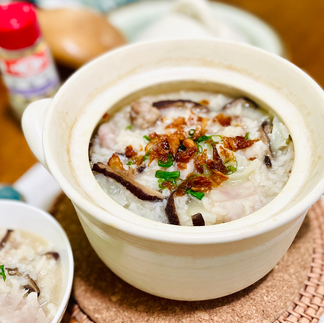
Garnish: Serve hot, sprinkled with fresh green onions and red onion for an extra burst of flavor.




Special Notes
Taro: Choosing the right taro is crucial; look for firm, fresh pieces. Remember, unused portions can be frozen for future culinary adventures.
Texture: The porridge's consistency can be personalized by adjusting the water level. Some prefer it thicker, while others might enjoy a soupier texture.
Garnishing: The addition of chopped green onions and red onion not only adds a pop of color but also layers of flavor that complement the earthy taro and umami from the shrimps and mushrooms.
This Flavored Taro Porridge recipe is more than just a meal; it's a bowl of comfort that warms you from the inside out, embodying the essence of Taiwanese cuisine with every spoonful. Whether you're seeking solace on a chilly day or simply craving a taste of home, this porridge promises satisfaction and a delightful culinary experience.
Comments